Hook, Line, and Binge: The Small Shops Cutting TV’s Most Important 90 Seconds
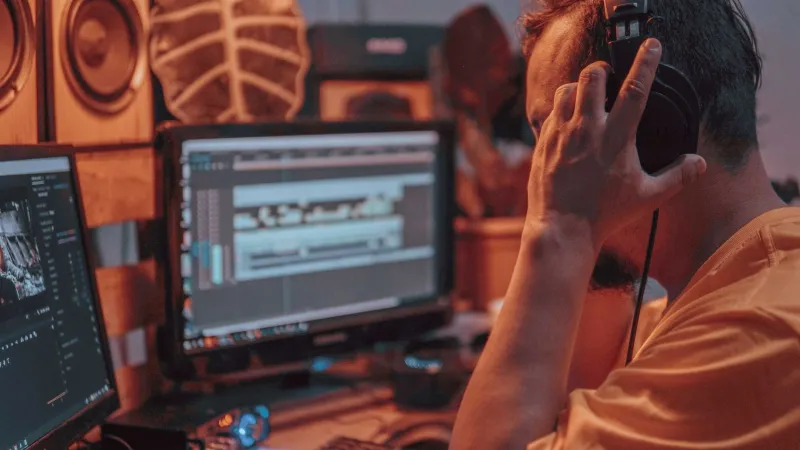
On a quiet block in Burbank, a team of six is arguing about a door slam. Not the door itself—the sound of it. The editor wants the slam to land a half-beat earlier. The sound designer thinks the silence after it is doing more work than the slam. The music supervisor is already cueing up a temp track that will probably get replaced twice before lunch.
This is the unglamorous, high-stakes work of the trailer house. Boutique shops like this one take raw episodes, unfinished visual effects, and a pile of marketing notes, then turn them into 90-second arguments for your attention. In 2026, with more shows than ever and less patience to go around, those 90 seconds matter more than most people outside the industry realize.
The Room Where the Hook Gets Built
Trailer houses are not marketing departments, though they work closely with them. They are not post-production facilities, though they often live inside or alongside them. The best ones operate like tiny studios: five to twelve people, a handful of edit bays, a shared calendar full of deadlines, and a direct line to showrunners who are usually too busy to explain their own show twice.
“We are not summarizing,” says Nina Park, a trailer editor who has cut campaigns for comedies, dramas, and one very strange documentary about competitive cheese. “We are casting a spell. The trailer has to make you feel something before you know what the show is about.”
That means the first cut is rarely about plot. It’s about tone. A comedy might get a “mood cut” built around a single character’s suspicious smile. A drama might get a “question cut” that withholds the central mystery. A genre show might get a “world cut” that sells the rules of its universe in eight seconds or less. The trailer is not the show. It’s the promise of the show.
Spoiler-Safe, Story-First
Spoiler safety is part of the job, but it’s not the whole job. The harder task is making a campaign that feels complete without giving away the turns that make the season work. Trailer editors often get scripts early, attend tone meetings, and build cuts while episodes are still being finished. They are creative partners in the marketing process, not vendors who show up after the fact.
“A single trailer can reset a show’s fate,” Park says. “I’ve seen a show with low awareness get a cut that travels because it made people ask a question. I’ve also seen a bad trailer make a good show look generic. That’s the scary part. You can do everything right in the episodes and still lose the first impression.”
In 2026, first impressions are fractured across formats. The same campaign might need a 90-second hero trailer, a 30-second cutdown, a 15-second vertical for social, and a six-second bumper that somehow still communicates “this is funny and also has a heart.” Boutique shops have become adept at building modular campaigns—pieces that share a visual language but can be rearranged for different platforms without losing the show’s identity.
The Mix Is the Message
If the editor builds the argument, the music supervisor and sound designer build the persuasion. Music supervisors hunt for the needle drop that makes a scene feel inevitable. Sometimes that means licensing a well-known song. Sometimes it means finding an unsigned artist whose track costs less and hits harder. Sound designers build risers, impacts, and the kind of silence that makes a viewer lean in.
“The last three seconds are the whole campaign,” says Owen Reyes, a sound designer who works primarily on streaming campaigns. “That’s where the decision happens. You can have a great montage, but if the button doesn’t land, people scroll. The mix is not decoration. The mix is the sell.”
Licensing costs can rival a small episode’s music budget, which is why trailer houses often work closely with legal and clearance teams from day one. A temp track that feels perfect in the first cut can become a problem if the rights are impossible or the price is absurd. The best shops plan for that. They build alternate versions. They know which moments can survive a music change and which ones fall apart without the original cue.
Why Small Teams Win
Boutique trailer houses are having a moment because they can move fast and take creative risks that larger vendors often can’t. They can pivot when a showrunner changes the tone in episode six. They can cut a new campaign in a week when a premiere date shifts. They can sit in a room with a creator and ask, “What do you want people to feel?” instead of “What are the marketing beats?”
That partnership model is becoming more common. Streamers and networks are bringing trailer shops into the process earlier, sometimes before the final episodes are locked. The result is campaigns that feel more like the show and less like a generic assembly of explosions, jokes, and title cards.
“The best trailer is a short film about a long thing,” Park says. “It has its own rhythm, its own beginning, middle, and end. If we do our job, you don’t notice the craft. You just notice that you want to watch.”
And then, maybe, you do.