Pacing the Picture: How TV’s Audio Description Writers Decide What You Need to Hear
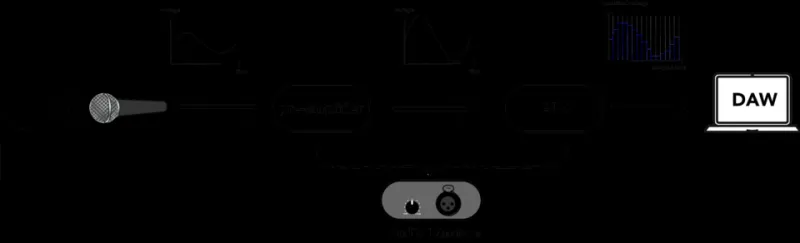
Photo: ItzaGarciaOrdonez, CC BY-SA 4.0, via Wikimedia Commons
At 9:14 on a Tuesday morning, four people are staring at a paused frame of television and arguing about a shrug. The frame shows a character named Maya in a cramped kitchen, holding a mug and looking at her brother. On screen, the moment lasts maybe two seconds. In the audio description booth, it is a decision point: Does the audience need to know her shoulders moved? Is the shrug the joke, or is the line that follows the joke? And if the narrator says it too early, does the scene tip before the actor gets to tip it?
This is the work of audio description, the craft that translates visuals into sound for blind and low-vision audiences. For years it lived at the edge of TV production, often added late, sometimes treated like a compliance checkbox. In 2026, as streamers push shows into more markets and accessibility menus become a standard part of the launch plan, the once-invisible booth has become a bigger production priority. The budgets are still not glamorous. The schedules are still tight. But the conversations are happening earlier, and the people doing the work are being asked to solve creative problems, not just read copy.
The First Pass Is a Subtraction Problem
The episode in question is a half-hour comedy, and the description writer has already watched it four times. The first pass is not about writing. It is about mapping. The writer marks every stretch of dialogue, every pause, every music cue, and every visual beat that carries information. Then comes the harder part: choosing which beats actually need words.
A good description track does not narrate the screen like a police report. It gives the audience the same story the picture is telling, without stepping on the performances. That means a character’s outfit might matter in a period drama and not at all in a scene about a burnt dinner. A raised eyebrow might be essential. A blue chair probably is not. The writer’s job is to protect the emotional logic of the scene while respecting the clock.
In the kitchen scene, the writer initially types: Maya shrugs and sets down the mug. The director in the room pushes back. The mug is already visible in the sound design, a small ceramic clink that lands right after the line. Describing it doubles the information. The shrug is the thing. But even the shrug has a timing problem. If the narrator says it during the brother’s setup, the audience knows Maya is dismissive before he finishes. If the narrator waits until after the punchline, the joke has already landed without its visual garnish.
They test it three ways. The winning version is shorter: Maya shrugs. It goes in a half-second pocket between the brother’s question and Maya’s answer. It does not explain the joke. It just lets the audience see it.
Writing Into the Gaps
Audio description scripts have a rhythm that looks odd on the page. Sentences are clipped. Verbs do the heavy lifting. Present tense is standard. The writer avoids naming emotions when a gesture will do, and avoids guessing at intentions the scene has not earned. The goal is not to interpret the show. It is to deliver the visual evidence.
That discipline gets tested by comedy. A slapstick sequence might need more words, but only if the words land in the right pockets. A dramatic close-up might need fewer words than expected, because the dialogue and score are already carrying the weight. The writer is constantly asking: What would a sighted viewer notice first? What would they notice second? What can wait until the next pause?
By lunch, the script is covered in timecodes and alternative lines. The team runs a table read with the narrator, a voice actor who has described everything from animated movies to true-crime documentaries. She reads the track straight through, then again with adjustments. Some lines get warmer. Some get flatter. A description of a character crying should not compete with the actor’s sobs in the mix. A description of a door opening should not arrive after the sound effect has already told the story.
The Booth Is a Performance Space
Recording happens in a small room with a thick rug and a microphone that costs more than the desk. The narrator stands, not sits. Standing helps with breath control and keeps the read from sounding like an announcement. The director listens for pace, clarity, and something harder to name: trust. The narration has to sound like it belongs to the show without becoming a character in it.
They record in chunks, often scene by scene, so a line can be adjusted without re-reading the whole episode. The engineer keeps a close eye on levels. In the final mix, the description is ducked under dialogue and sound effects, then brought forward in the quiet spaces. If the mix is wrong, the track feels like a stranger talking over the show. If it is right, the voice becomes part of the architecture.
That is why the booth now gets a seat at the table earlier in 2026. Streaming has made television a global product, and a show that launches in the US on Friday may need description tracks for multiple regions soon after. Creators are learning that accessibility is not a post-production afterthought. It is another way the story gets told.
The Last Listen
Before delivery, a blind or low-vision reviewer listens to the finished episode. They are not checking for typos. They are checking for confusion. Did the description give away a reveal too soon? Did it miss a visual joke? Did it explain something the dialogue already covered? Their notes can be blunt, and that is the point. The track is not finished when the narrator stops talking. It is finished when the story works without the picture.
Back in the kitchen scene, the final version is eleven words across three pauses. Maya shrugs. Her brother keeps talking. The mug clinks. The laugh lands. Nobody watching at home will think about the booth, which is exactly how the booth measures a good day.