Memory on a Deadline: The Freelance Craft Behind Streaming’s ‘Previously On’ Recaps

Photo by Photo by Mustafa Sheikhmouss on Unsplash on Unsplash
Every streaming drama needs a memory. Before episode four drops, someone has to remind you who betrayed whom, which secret is still buried, and why the detective keeps staring at that photograph. That is the job of the ‘Previously On’ recap: a 30-to-60-second montage that feels effortless and is usually assembled by freelancers working against a hard deadline.
The Freelance Recap Assembly Line
Most viewers assume the recap is cut by the show’s editors or producers. Sometimes it is. But in the current streaming pipeline, recap work often goes to boutique post houses, freelance editors, and writers who specialize in what one Los Angeles editor calls ‘memory with a deadline.’ A showrunner or studio might send over screeners, a list of characters, and a few notes about what the audience needs to remember. The recap team then builds a short, self-contained story.
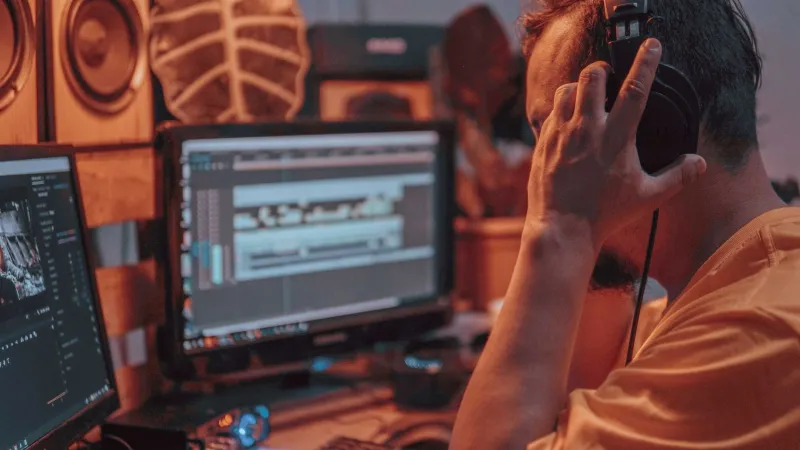
The work is not glamorous. It is a puzzle of clips, sound bites, music cues, and title cards. A recap editor might receive a 10-page document of plot points and a 48-hour turnaround. They scrub through hours of footage, pull selects, test transitions, and trim frames until the montage lands just under the platform’s preferred length. Then they wait for notes.
Clip Selection Is a Spoiler Sport
The cardinal rule is simple: remind without ruining. A recap has to refresh your memory without revealing the twist that comes in the next episode. That means clip selection is a delicate negotiation. A shot of a character’s face can signal too much. A line of dialogue can give away a death, a kiss, or a betrayal. Editors often lean on reaction shots, establishing images, and ambiguous exchanges.
‘You want the audience to feel the question, not hear the answer,’ says a freelance recap editor who has cut for several major streamers. ‘If the recap says the sister is hiding something, great. If it shows exactly what she is hiding, you have spoiled the episode.’
Spoiler avoidance also means thinking about release strategy. A weekly show has viewers who might have missed an episode three weeks ago. A binge drop has viewers who watched the last episode five minutes ago. The same recap cannot serve both audiences in the same way.
Weekly vs. Binge: Two Different Memories
For weekly releases, recaps often carry more weight. They catch up casual viewers, remind committed fans of smaller details, and set the emotional temperature for the new episode. A weekly recap might include a quick line of dialogue that reestablishes a relationship or a visual echo of a past scene. It has to work for someone who watched seven days ago and someone who watched seven months ago.
Binge releases are trickier. If every episode opens with a recap, viewers who are four episodes deep may feel like the show is stalling. Some platforms use recaps only at the top of a season, after a midseason break, or before a finale. Others tailor the recap to the episode’s cold open. The goal is not to recap everything. It is to recap the right things.
‘With binge, you are often writing for momentum,’ the editor says. ‘You do not want to stop the train. You want to give the viewer a nudge and get out.’
Why Streamers Treat 45 Seconds Like a Retention Strategy
A recap is tiny, but it sits at a valuable intersection: the moment before a viewer decides whether to keep watching. If a show is dense, serialized, or full of returning characters, a good recap can reduce the friction that leads to a bailout. That is why streamers treat the segment as a retention tool, not just a courtesy.
Platform notes often reflect that priority. Recap teams may be asked to emphasize a fan-favorite character, clarify a timeline, or remind viewers of a plot thread that pays off in the new episode. They may also be asked to avoid clips from episodes that are not yet available in a territory or to keep the tone consistent with the show’s marketing. The recap is short, but it is not simple.
The Credit Nobody Reads
The freelance writers and editors behind these montages rarely appear in the credits. Their work is designed to disappear. When it is done well, viewers do not notice the transitions, the trimmed dialogue, or the careful omission of a spoiler. They just remember what they need to remember and press play.
That invisibility is part of the craft. The next time a recap catches you up in 45 seconds, consider the small team that watched the whole season, chose a handful of frames, and resisted the urge to show you the one shot that would have ruined everything.