When the Upload Button Becomes a Studio Lot: Creator-Founded Companies Push Into Scripted TV
Most TV pilots begin with a pitch deck. The new crop begins with a thumbnail test.
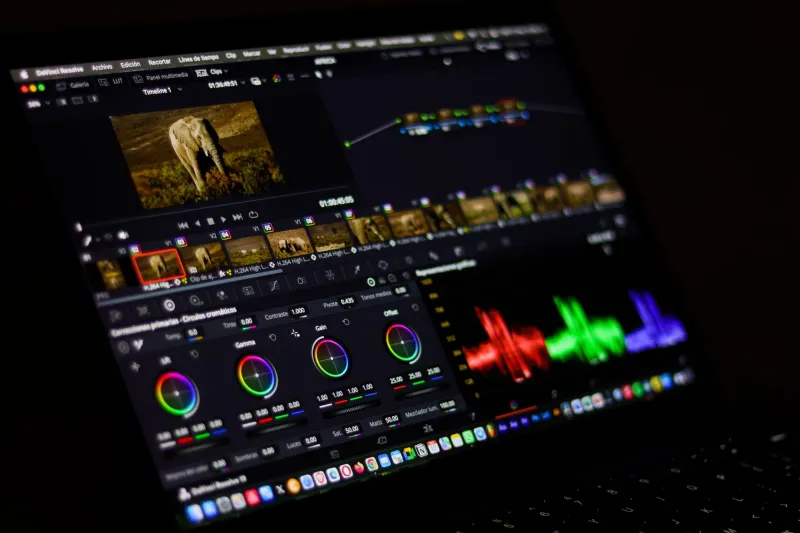
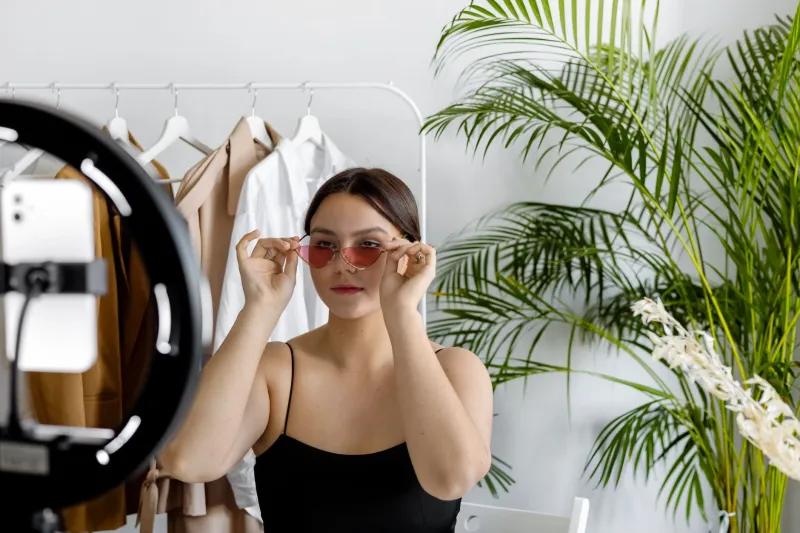
That’s the first thing you notice inside the creator-founded studios making noise in 2026. The ring light is still in the corner. The edit bay is still a converted garage or a rented suite above a coffee shop. But the slate on the wall says scripted series, and the people in the room are no longer just influencers—they’re producers, financiers, and distributors in training.
The ring light is still there. The business model isn’t.
For years, creator studios were built on brand deals, merch, and platform payouts. The smart ones used that cash to buy cameras, hire editors, and learn post-production by doing. In 2026, a handful of those shops are using the same muscle to make scripted comedy and drama—half-hour pilots, short-form series, even feature-length projects—without waiting for a traditional studio to say yes.
The shift is not about YouTube money magically becoming HBO money. It’s about creators building smaller, faster pipelines that can prove an idea in public before a network ever gets involved. They are financing development with a mix of brand partnerships, private equity, state incentives, and pre-sales. They are testing tone with their own audiences. And they are learning, sometimes painfully, where the creator playbook ends and the production playbook begins.
Three studios, three playbooks
Lumen House — Austin, Texas
Lumen House started as a YouTube cooking channel with a cult following and a knack for cinematic food sequences. Founder Priya Raman parlayed that into a small production company that now produces a scripted comedy about a family-run restaurant. The pilot was shot in six days around Austin, with a crew of 22 and a post team of four.
Raman’s workflow is deliberately lean: a six-person writers room, a table read filmed for audience feedback, and an in-house edit that lets her cut three versions of the same scene before locking picture. Financing came from a regional brand partnership, Texas production incentives, and a small equity round. Distribution is still being figured out—YouTube first, then a FAST-channel window—but Raman says the goal is to own the master and prove the audience before signing anything exclusive.
Backlot 47 — Los Angeles, California
Backlot 47 grew out of a TikTok sketch collective that got tired of watching its best ideas get flattened into 60-second clips. Founder Marcus Vale now runs a half-hour dramedy about aspiring actors sharing a rental house in Van Nuys. The studio rents stage space by the day, partners with a nearby post house for color and sound, and uses a pilot-to-platform pipeline that treats every episode as a proof of concept.
Vale’s team is smaller than a traditional TV crew but more cross-trained. A production coordinator also handles social cuts. A first AD doubles as a BTS shooter. The studio’s secret weapon is a private screening room—actually a rented theater—where they test episodes with 50 to 80 fans and collect notes before final delivery. It’s not Nielsen. It’s not meant to be.
Northstar Creative — Brooklyn, New York
Northstar Creative began as a Twitch community and grew into a genre studio with a scripted sci-fi series shot partly on virtual production stages in New Jersey. Founder Dana Okafor runs a remote writers room, a Discord-based focus group, and a post workflow that leans on cloud review tools so editors in Brooklyn can work with a VFX vendor in Atlanta.
The studio’s financing is a patchwork: a subscription-style membership, two angel investors, and a foreign pre-sale for a format that travels well. Okafor says the biggest lesson was learning to budget for insurance, union paperwork, and deliverables—the unglamorous infrastructure that traditional studios absorb without thinking.
The workflow: small rooms, fast turns, public feedback
What unites these studios is not a single business model. It’s a tempo. Writers rooms run six to eight weeks instead of six months. Pilots are shot as vertical slices—one strong scene, one visual signature, one clear tone—rather than full episodes. Post is built around a small core team, with color, sound, and VFX farmed out to trusted vendors only when the budget allows.
Audience feedback is constant, but the smarter studios are careful about how they use it. Comments are not notes. Analytics are not story. The creators who last are the ones who treat their audience as a marketing engine and a gut check, not as a writers room replacement.
What it means for emerging writers and directors
The upside for new talent is obvious: more doors, lower stakes, faster timelines. A writer who can deliver a sharp 12-page sample and a clear tone deck has a better shot at a creator studio than at a legacy network. Directors who can move fast, shoot beautifully on limited resources, and collaborate with non-actor talent are in demand.
The downside is real, too. Creator studios often pay less upfront. They may not have union signatory status yet. They can burn through young crews who are expected to wear five hats. And the line between opportunity and exploitation gets blurry when everyone is excited to be on set.
The gatekeepers aren’t gone—they’re just later in the chain
Traditional Hollywood still controls the biggest checks, the broadest distribution, and the infrastructure that turns a pilot into a season. What’s changing is when those gatekeepers enter the process. In 2026, creator studios are increasingly showing up to that conversation with an audience, a finished pilot, and a business plan—not just a pitch.
That doesn’t make them immune to failure. Plenty of creator-led scripted projects will stall at the distribution stage, where insurance, international rights, and marketing costs eat small budgets alive. But the ones that survive are building a new kind of studio system: smaller, weirder, and closer to the audience than the old one.
The bottom line
The upload button didn’t kill TV. It just taught a generation how to test, learn, and ship. In 2026, the most interesting scripted work may not come from a lot in Burbank. It may come from a creator who already knows how to hold an audience—and is finally learning how to hold a story.