The Comedy Room Stopwatch: Why Every Joke Now Has a Budget Line
Comedy has always been a math problem disguised as a vibe. In 2026, the equation is tighter than it has been in years: 22 minutes, more jokes per page, and a budget that looks suspiciously dramatic for a show where someone might fall through a coffee table.
The half-hour comedy didn’t disappear. It got re-engineered. Streamers spent the back half of the 2010s letting comedies stretch into 28-, 30-, even 35-minute episodes, especially once ad breaks stopped being the organizing principle. By 2026, the correction is unmistakable. The half-hour is a half-hour again—or close enough—and the people making them are feeling both the freedom and the squeeze.
The 22-Minute Bet
“A 22-minute cut forces you to earn every scene,” says Lena Ortiz, showrunner of a returning comedy that premiered this fall. “You can’t hide a story problem in a long montage. You can’t let a joke sit there while the audience decides whether to laugh. The clock is a writer.”
The shift isn’t nostalgia for broadcast. It’s strategy. Shorter episodes travel better across international schedules, they’re easier to sample, and they fit the way audiences now watch comedy—in bursts, on phones, between other things. A 22-minute episode is also a cleaner asset for social clips and algorithmic recommendation. Streamers have noticed.
“Completion rate is the quiet metric nobody puts on a poster,” says Marcus Bell, an editor who has cut comedy pilots and returning series for both streamers and cable. “A 22-minute episode that people finish is worth more than a 32-minute episode that people bail on at minute 19. The platforms know that. The showrunners know that. Now the cuts reflect it.”
Jokes Per Minute, Dollars Per Frame
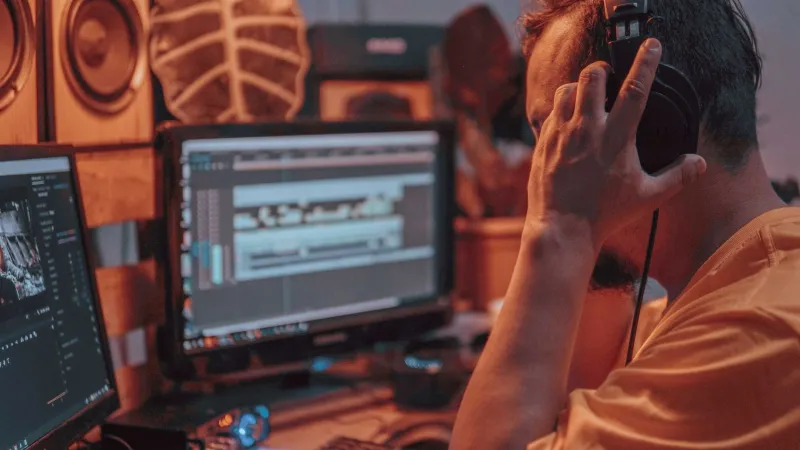
Inside writers rooms, the adjustment is practical. Comedy rooms have always tracked joke density, but the new version is more surgical. Story breaks are tighter. Table reads are shorter. Editors are asked to protect rhythm over coverage, and showrunners are more willing to lose a good scene if it slows the engine.
“We used to write to the funniest version of the scene,” Ortiz says. “Now we write to the funniest version of the episode. Those are not always the same thing. A great joke that costs you 40 seconds of momentum is a luxury. On a 22-minute show, luxuries are expensive.”
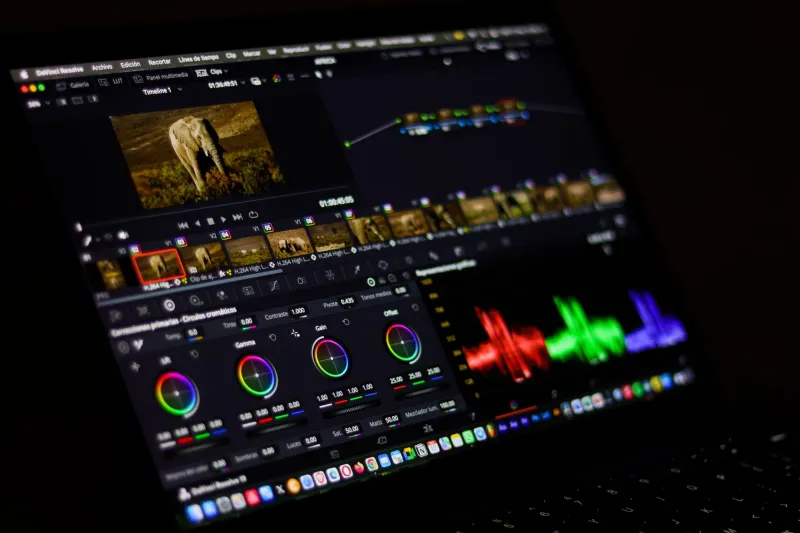
Expensive is the right word. Even as episode orders shrink, per-minute costs are climbing. A “small” comedy now often has cinematic lighting, a real score, detailed sound design, and limited visual effects. Standing sets help, but the pressure to make a half-hour feel visually distinct from the 40 other comedies in the queue is real. Shorter episodes don’t necessarily mean cheaper episodes. Sometimes they mean the opposite: fewer minutes, fewer places to hide, and more money spent making each frame count.
“Half-hours are in the same budget conversations as dramas now,” Bell says. “Not every show, but more than people think. You want a comedy that looks like a feature? Great. That costs feature-adjacent money. The runtime doesn’t change the ambition.”
The Strategic Advantage
For streamers, the shorter sitcom is a flexible weapon. It can anchor a night, fill a recommendation carousel, or become a clip factory. For creators, it is a discipline test. The shows that work in 2026 tend to be dense without feeling frantic—fast, but not rushed.
“The audience can feel when a show is padding,” Ortiz says. “They may not know why, but they know. Twenty-two minutes is a promise that we’re not wasting their time. That promise is worth something.”
The downside is obvious: fewer minutes means fewer chances to establish a world, land a emotional beat, or let a supporting character steal a scene. The upside is a sharper product. Comedy has always been a timing business. In 2026, the timing is just easier to see on a budget sheet.
Bell puts it more simply. “The stopwatch is not the enemy,” he says. “The stopwatch is the note. It tells you what the show actually is.”