The Applause Thermostat: How TV’s Warm-Up Comics Dial In a Studio Crowd
At 6:52 on a Tuesday night in Burbank, the line outside Stage 14 looks less like a comedy club and more like an airport gate. There are families, dates, tourists in brand-new hoodies, and a few people who clearly got the tickets as a gift. A warm-up comic stands near the metal detector with a microphone, a clipboard, and the unglamorous job of turning a crowd of strangers into an audience.
The title sounds like a warm-up act. In practice, it is crowd operations with a punchline.
The Job Before the First Joke
Before cameras roll, the warm-up comic is the audience’s first contact with the show. They explain the applause signs. They demonstrate when to laugh and when to stay quiet. They warn people that tape night is stop-and-start, that a scene may be shot twice, that a flubbed line is not a crisis. On a multi-cam sitcom, the warm-up comic is part comedian, part flight attendant, and part field producer.
The job is not to deliver a tight 15 minutes. It is to keep 200 people from feeling like props. A good warm-up comic reads the room, resets the energy after a blown take, and buys the stage manager time when a set piece needs a tweak.
'It’s not my special,' one longtime warm-up comic says. 'It’s their show.' That line is the whole craft in miniature.
Reading a Room Full of Strangers
Warm-up comics develop a scan that has little to do with joke writing. They clock who arrived early, who is celebrating a birthday, who got dragged along, and who is already on their phone. They find the laugh pockets—clusters of people who laugh easily—and use them to seed the room. They learn not to pick on the wrong person, not to turn a delay into a roast, and not to let a silence sit long enough to become a mood.
The unspoken rules are strict. Keep bits short. Don’t create a viral moment at the show’s expense. Don’t wander into material that will make the talent nervous. Know the clock. Know the seating chart. Know when the audience is tired and when it is just waiting.
Audience wranglers and page staff handle the logistics. The warm-up comic handles the temperature. Too hot, and the crowd starts performing for itself. Too cold, and the laughter dies before the editors get anything usable. The warm-up comic is the thermostat.
The Laugh Is a Team Sport
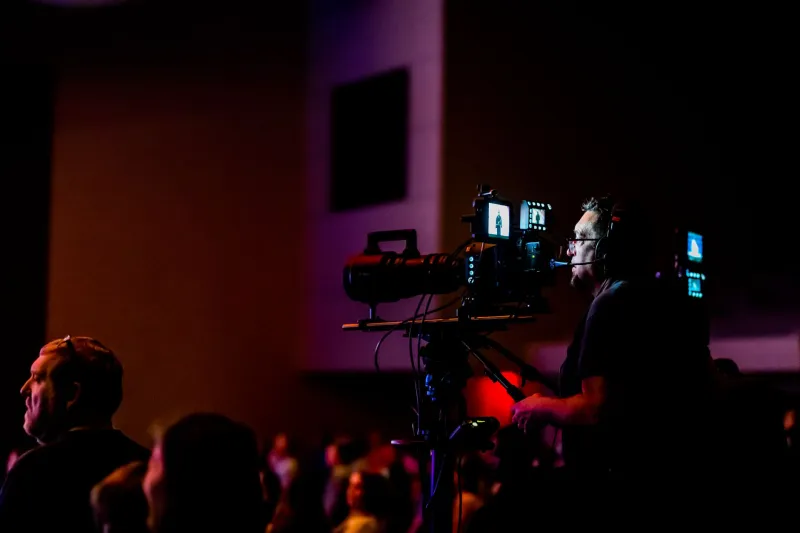
The audience’s laughter is raw material. Editors cut between takes, and a room that sounds alive gives them options. A warm-up comic cannot manufacture a great episode, but they can keep a crowd from going flat by 8:45. In multi-cam comedy, the live audience is part of the show’s texture. The laugh track may get sweetened later, but the base layer is real.
That means warm-up comics learn which beats need a breath of reaction, when to hold applause for a cast entrance, and when to let a joke land without stepping on it. They are not directing the show. They are keeping the room in tune with it.
Streaming Wants the Room to Roar
In 2026, live audiences are a selling point again. Streamers market comedies as 'filmed in front of a live studio audience,' and social clips of real crowd reactions travel farther than a poster. Warm-up comics are being asked to think about the taping as content. Some shows bring them into pre-production to talk about audience vibe. Others use them as hosts for post-taping Q&As. The role is expanding, though not always with a bigger budget.
The streaming era has made the room part of the pitch. A warm room sounds expensive because it is hard to fake.
The Rules Nobody Prints
The best warm-up comics are almost invisible. They don’t want to be the story. They know the cast’s timing, the stage manager’s cues, and the page’s seating chart. They carry extra water, read the crowd’s energy like a weather report, and keep a few reliable bits for delays.
They also know when to stop. A good warm-up ends with the audience ready to watch, not ready to review the opener.
The work is freelance, call-based, and built on reputation. The credit is often a line in the crawl, if that. But the laugh before the first scene starts there.
When the tape wraps, the audience files out with a story. The warm-up comic packs the mic and checks the clock. In 2026, that quiet craft is more valuable than ever. The room has to sound alive, and someone has to wake it up without stealing the show.