Proof of Life: The On-Set Photo Archive That Keeps TV From Forgetting Itself
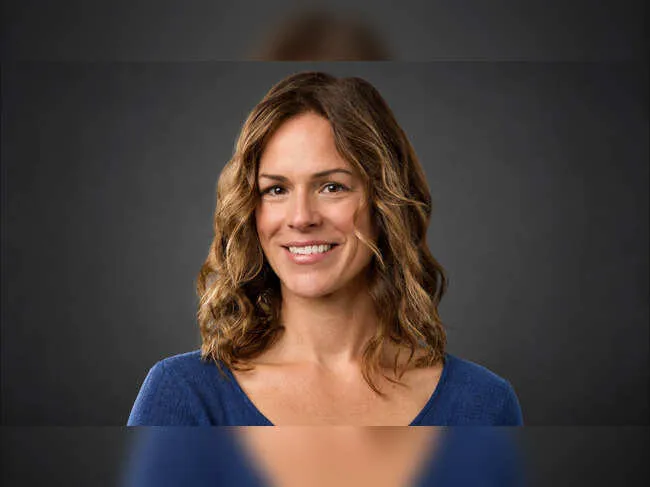
Photo: script supervisor taking continuity photos on a film set with tablet and camera, via img.etimg.com
On a soundstage in Atlanta, a script supervisor walks the edge of the frame with a phone in one hand and a tablet in the other. The camera crew is resetting for a reverse angle. An actor is getting a jacket adjusted. Nobody is performing. And yet the supervisor is shooting—quick, unremarkable frames of a coffee cup’s handle, the exact fold of a napkin, the distance between a chair and a doorway. These are not marketing stills. They are continuity photos, and they are the reason the episode will make sense six months from now.
The Binder That Became a Database
Continuity photography used to live in three-ring binders and Polaroid sleeves. A script supervisor—or, on bigger shows, a dedicated continuity photographer—would document the state of the world before and after every take. Which wrist had the watch? Was the window open or closed? Did the hero’s tie sit above or below the belt? The images were reference, not art. They were shot fast, filed faster, and rarely seen by anyone outside the production bubble.
In 2026, the bubble has gotten a lot bigger. A single episode of a streaming drama can generate thousands of continuity images, all tagged and uploaded before the crew breaks for lunch. The files travel to editors, post supervisors, VFX vendors, and sometimes legal and clearance teams. What was once a personal memory aid is now a shared visual ledger—a way for a production to prove what it actually shot, not what everyone remembers shooting.
What Gets Shot and Why Nobody Sees It
The subject matter is deliberately mundane. A continuity photographer documents prop placement, costume details, hair and makeup states, actor blocking, set dressing, and the small environmental cues that keep a scene coherent across coverage. If a character starts a scene holding a half-full glass, the archive will show exactly how full that glass was at the top of every take. If a book sits on a nightstand, the archive will show its angle, its title, and whether the bookmark moved.
None of this is intended for audiences. It is intended for the people who have to reassemble a scene from fragments. An editor cutting between two cameras needs to know that the shadow on the wall matches. A post team adding a visual effect needs to know what the practical set looked like before the blue screen went up. A director returning for a pick-up shot needs to know how the room was dressed three weeks ago. The continuity archive answers those questions without a meeting.
The Reshoot Economy
Reshoots and pick-ups have always been part of TV, but the streaming era has made them more visible—and more expensive. A missed prop detail or a costume change that doesn’t track can trigger a fix in post, a digital paint-out, or a full re-shoot. In 2026, with production schedules tighter and budgets under a microscope, producers are treating continuity photos less like paperwork and more like insurance.
That shift has changed the job. Script supervisors say they are shooting more angles, more often, and uploading faster. Some productions now assign a dedicated continuity photographer who works alongside the script supervisor, especially on shows with heavy stunts, multiple units, or elaborate set decoration. The goal is not to create a beautiful archive. The goal is to create a searchable one—images tagged by scene, take, character, and department so that anyone can find the frame they need without scrolling through a thousand thumbnails.
When Post Is in Another Time Zone
Global post-production has added a new layer of urgency. A show might shoot in Vancouver, cut in Los Angeles, and finish in London. The person who needs to verify a costume detail at 9 a.m. GMT is not the person who was on set at 4 p.m. PST. Continuity photos bridge that gap. They let a post team in another country see what the set actually looked like, rather than relying on a verbal description passed through three departments.
That is especially true for visual effects. VFX vendors often need clean plates, reference frames, and detailed looks at how a practical set was dressed before digital elements were added. Continuity archives have become a first stop for that information—not because they were designed for VFX, but because they happen to capture the truth of the moment. A quick photo of a doorway can save a vendor hours of guesswork.
The Craft of Looking Boring
Good continuity photography is not glamorous, and the people who do it like it that way. The best images are flat, clear, and boring—no dramatic lighting, no artistic angles. They are evidence. A continuity photographer learns to shoot fast, stay out of the shot, and anticipate what the editor will need before the editor knows they need it. That requires a specific kind of attention: an awareness of props, costumes, blocking, and the tiny inconsistencies that can break a scene’s illusion.
It also requires diplomacy. Continuity photographers work in the middle of everything—between actors, directors, camera crew, and wardrobe. They have to ask for a pause without slowing the day. They have to document a mistake without making anyone feel accused. The archive is a safety net, but it is built quietly, one unremarkable frame at a time.
What the Archive Can’t Fix
Continuity photos are not a substitute for judgment. They can show that a napkin was folded a certain way, but they cannot decide whether the fold matters. They can prove a prop moved, but they cannot tell a director whether the move was intentional. The archive is a reference, not a rulebook. The craft is in knowing which details will matter later—and which ones are just noise.
Still, in 2026, the noise is part of the value. A production’s visual memory is now too large to hold in one person’s head. The continuity archive is how TV remembers itself: frame by frame, prop by prop, scene by scene. It is proof of life for a world that only exists for a few weeks on a soundstage—and then has to be rebuilt in an edit bay, a VFX suite, or a pick-up shot months later.